HIGHLIGHTS FROM OUR LAST SHOW

Arash Kia
Mount Sinai Health System

Greg Caressi
Frost & Sullivan

Jerrold Jackson
Mayo Clinic
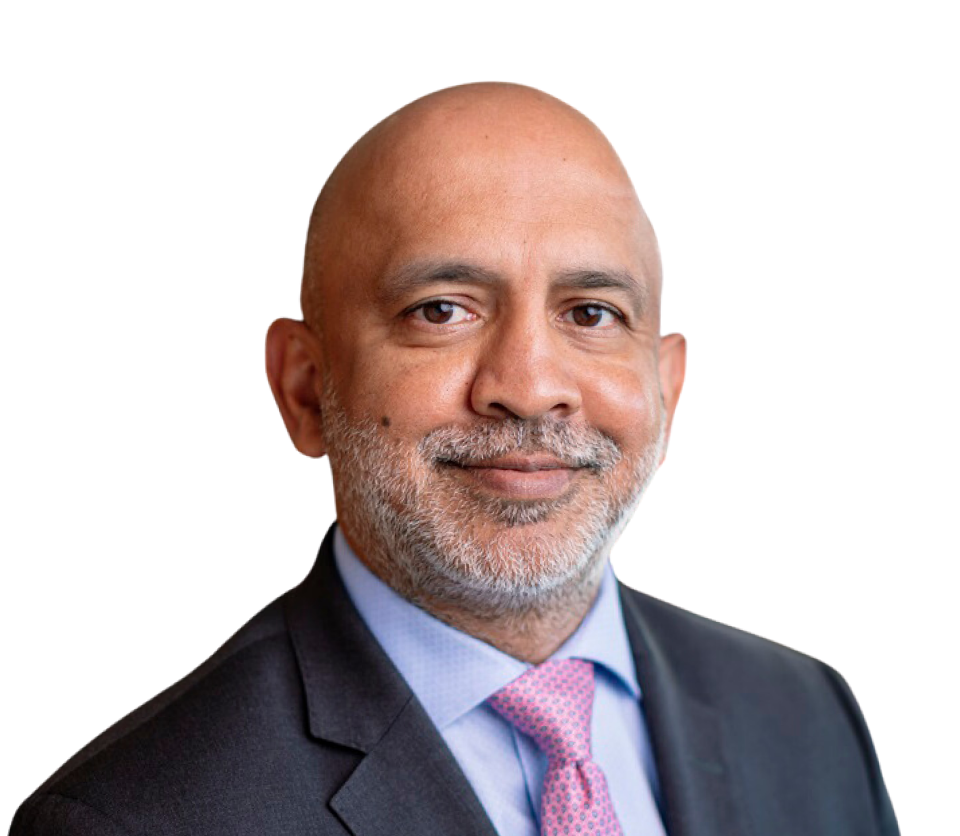
Maneesh Goyal
Mayo Clinic

Naiteek Sangani
Microsoft

Rosine Castro
Emory Healthcare

Anthony Chang
Rady Children's Health
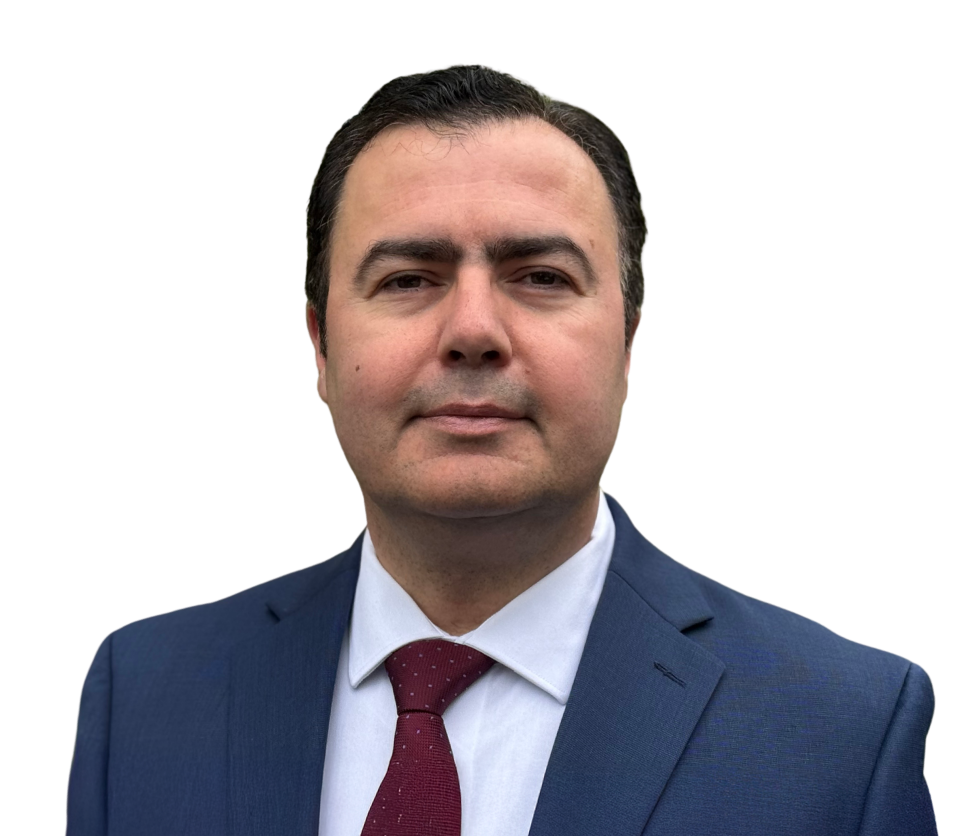
Farzad Khalvati
SickKids
Arash Kia
Mount Sinai Health System
Greg Caressi
Frost & Sullivan
Jerrold Jackson
Mayo Clinic
Maneesh Goyal
Mayo Clinic
Naiteek Sangani
Microsoft
Rosine Castro
Emory Healthcare
Anthony Chang
Rady Children's Health
Farzad Khalvati
SickKids
Arash Kia
Mount Sinai Health System
Greg Caressi
Frost & Sullivan
Jerrold Jackson
Mayo Clinic
Maneesh Goyal
Mayo Clinic
Naiteek Sangani
Microsoft
Rosine Castro
Emory Healthcare
WORKFORCE & SKILLS
Health AI in practice means the clinical workforce and intelligent systems must work in genuine partnership. Some are calling it the defining challenge of modern healthcare delivery. Organisations need capability, transparency, governance frameworks, and new models of professional development that result from an increasingly automated clinical environment.
SHOW MORE
Healthcare providers are acutely focused on workforce readiness and the sustainable adoption of AI tools. The deployment of AI-assisted clinical decision support is indeed accelerating strongly. However, there is a persistent gap in the skills and cultural infrastructure needed to embed these tools safely and effectively. The next few years will be a pivotal period for many health organisations; the key factors will be clinician trust in AI-generated outputs, upskilling at scale, patient safety assurance, the expectations of healthcare investors and regulators, ESG-aligned governance targets, strategic independence from single-vendor dependencies, along with the questions of how organisations can position themselves as credible, future-ready providers of AI-enabled care.
How Healthcare Is Building a Capable Workforce
Simply deploying a promising algorithm into a clinical workflow will not be enough. Workforce readiness in health AI does not just mean technical training. Clinical judgement, change management, interdisciplinary collaboration and ethical reasoning can be developed far more deliberately, and in the future they will form part of an organisational capability framework that serves frontline clinicians, allied health professionals and hospital administrators alike. At the same time, the topic of AI literacy and performance visualisation is gaining significant importance. For many people in positions of responsibility, silent failure modes embedded in AI tools continue to go largely unrecognised; models may perform well in aggregate whilst masking risk for specific patient cohorts. Modern governance and audit mechanisms reduce clinical risk in meaningful ways. There is also a growing market demand for structured competency frameworks, and with them, new professional models such as AI clinical lead roles are emerging. The prerequisite is data transparency and interpretability. Healthcare organisations are active participants in the broader AI ecosystem of the future. The clinician workforce will become a critical feedback loop for continuous model improvement. What healthcare has developed through years of quality and safety culture, namely the systematic review of outcomes, is now needed for AI systems.
There is integration between AI decision-support systems and the clinical environment, with differing informatics standards and professional requirements on both sides. The responsible adoption of health AI is a challenge for healthcare systems and for individual organisations. In addition, there are new applications of established disciplines. Human factors science is moving into AI implementation and promises meaningful reductions in adverse events tied to automation bias. Clinicians are becoming co-designers. This shift reflects a move from passive end-user to active contributor, both in terms of shaping AI tools and ensuring their outputs are interpreted with appropriate professional judgement.
Today, health organisations draw on externally developed AI products, which are then integrated into existing clinical information systems. Internally, users such as nurses, physicians, and allied health professionals, as well as patient safety teams, interact with AI via those systems. The availability of rich clinical datasets at most large health services allows for localised model validation and performance monitoring. These can be configured in ways that reduce the risk of silent degradation, allowing a proportion of AI outputs to be subject to ongoing human review. This leads to fewer undetected errors, more clinical confidence, and greater organisational self-sufficiency. In addition to structured training programmes, informal peer learning communities also play a role in building a capable workforce.
OUR SPONSORS

